✨ New Arrivals Just Dropped!Explore
HomeStore

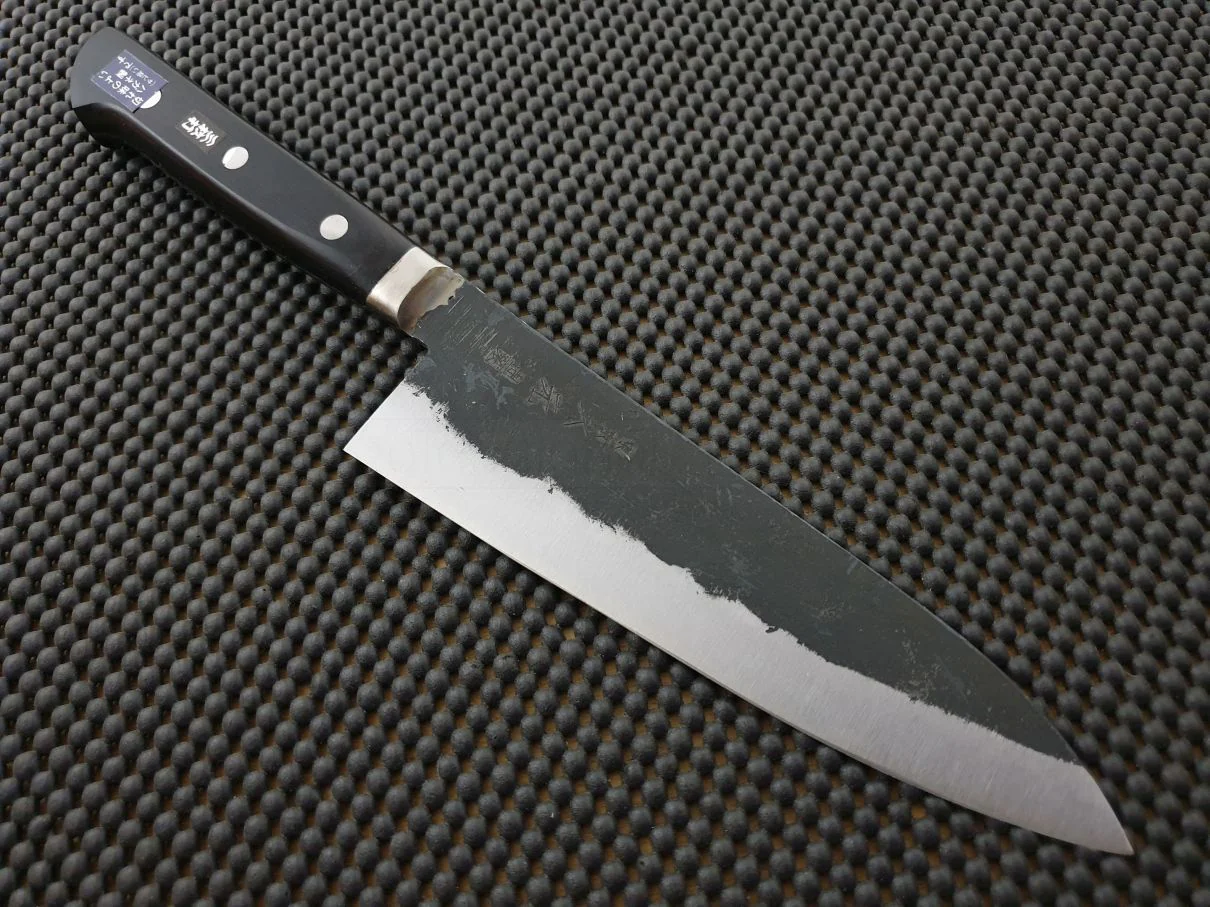
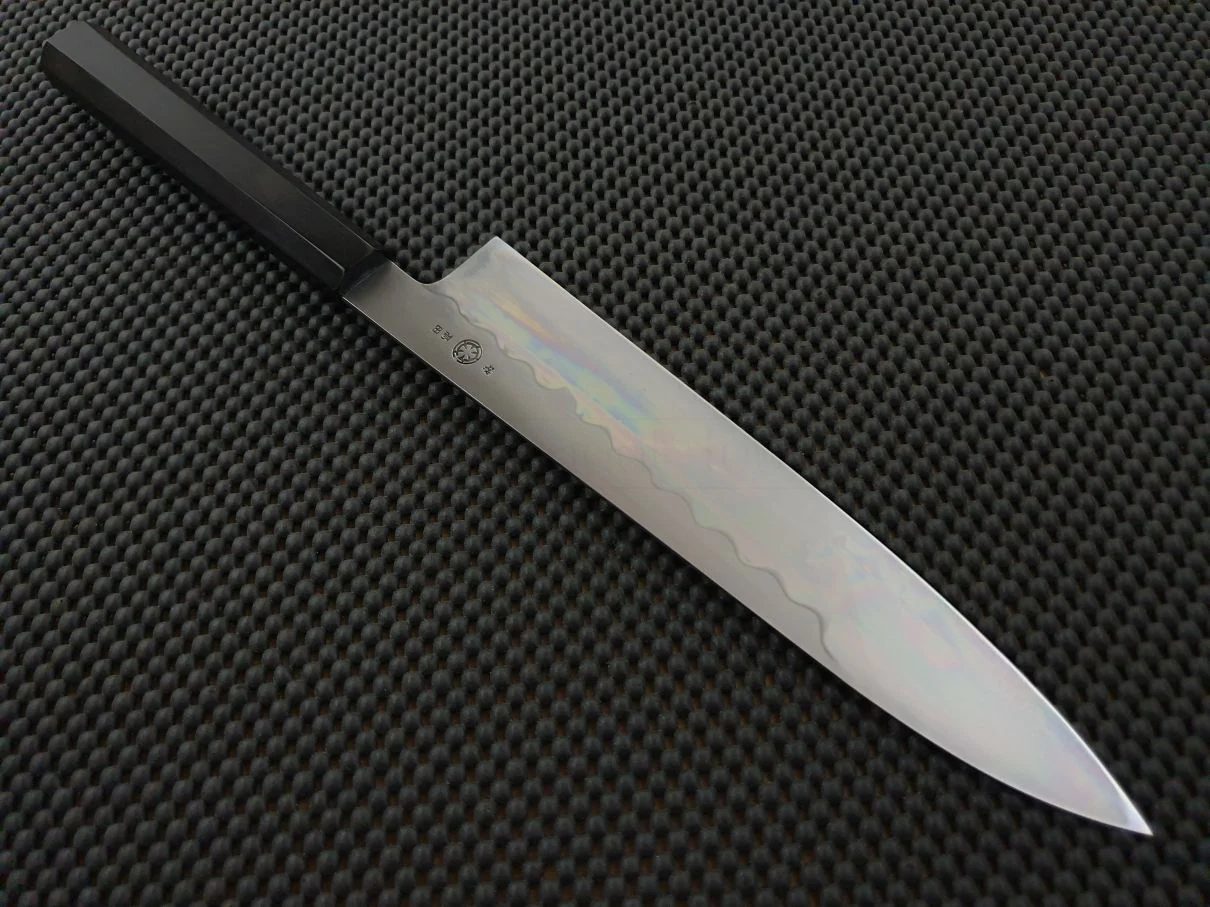
Sakai Takayuki Nashiji | 240 Gyuto Knife

Product image 1
1 / 6
+1

Sakai Takayuki Nashiji | 240 Gyuto Knife

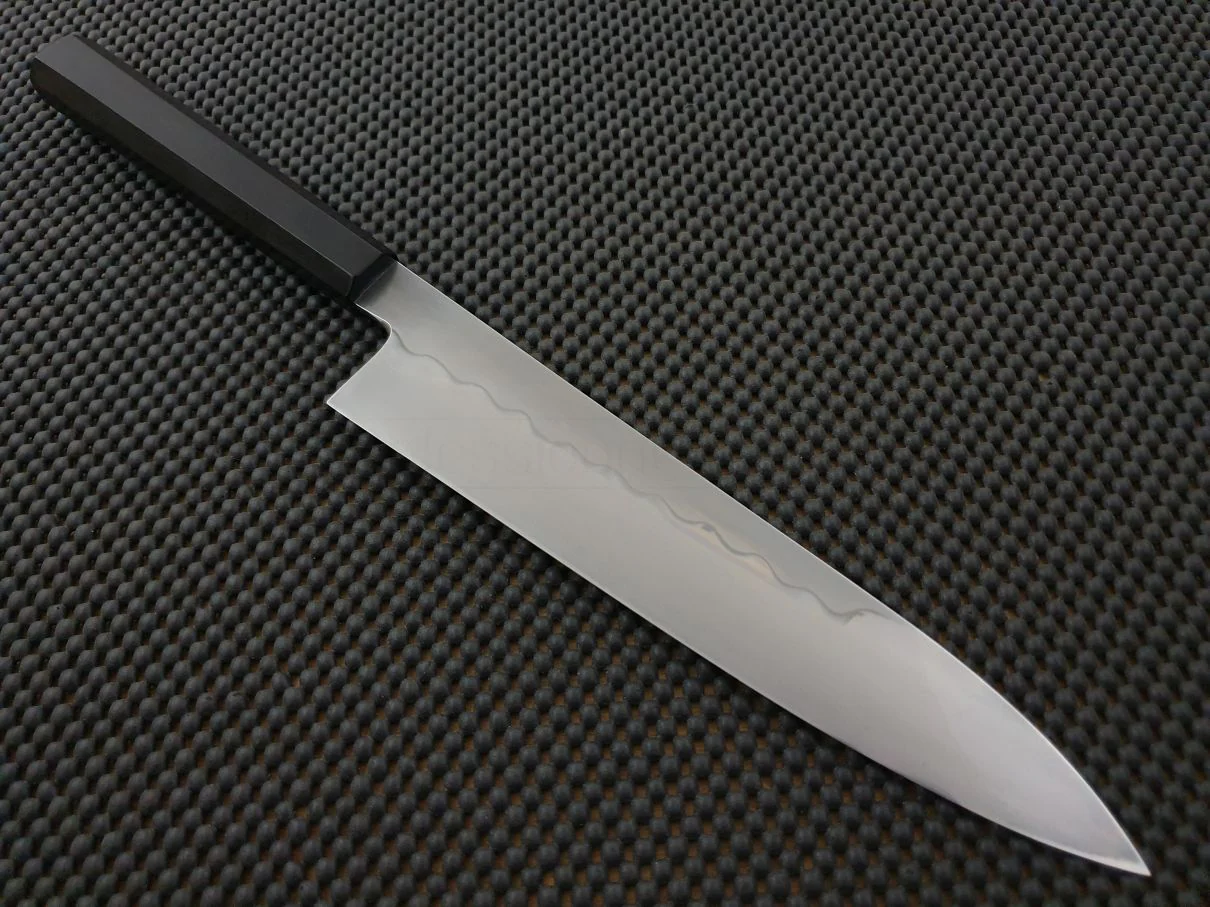
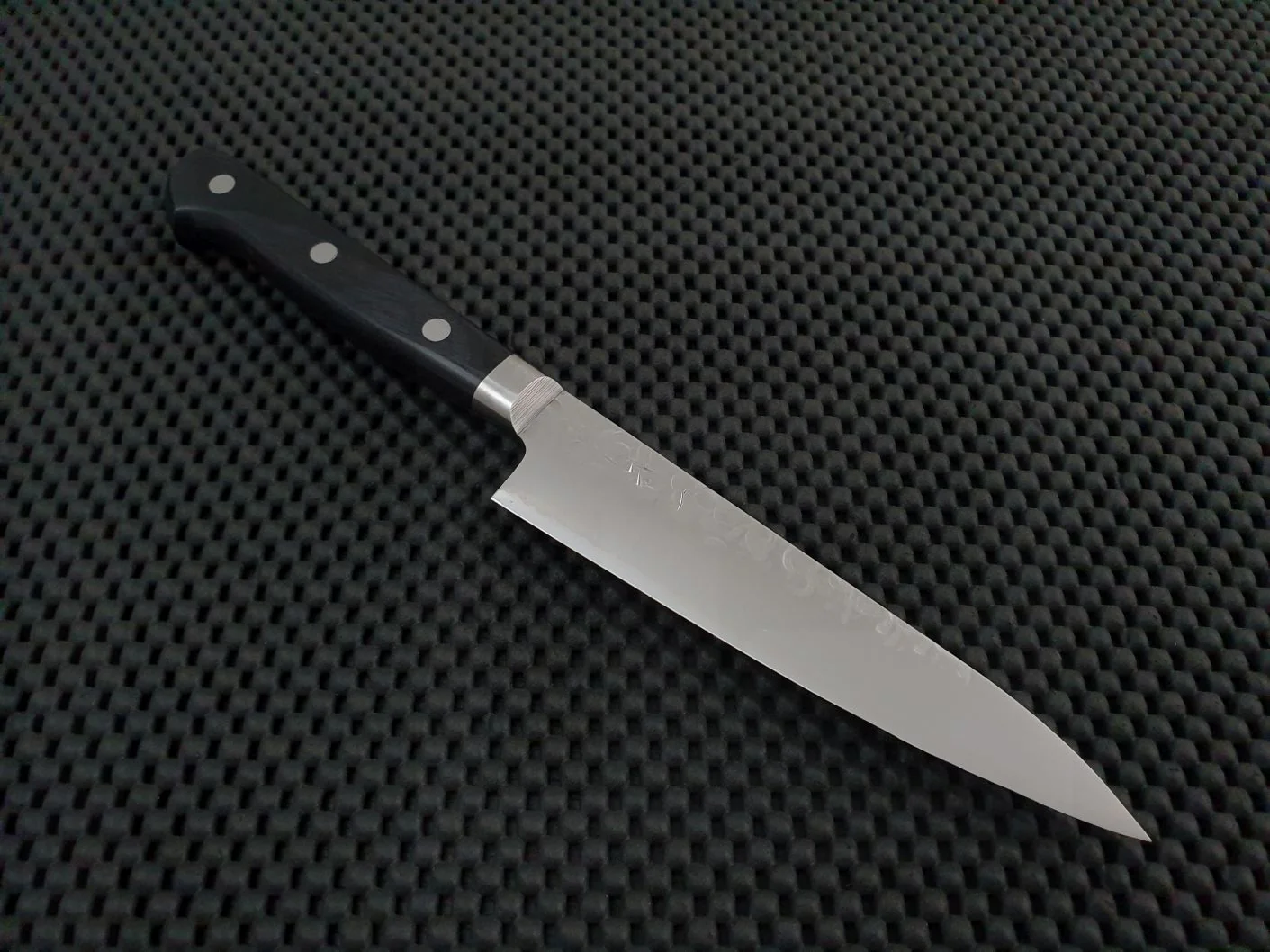
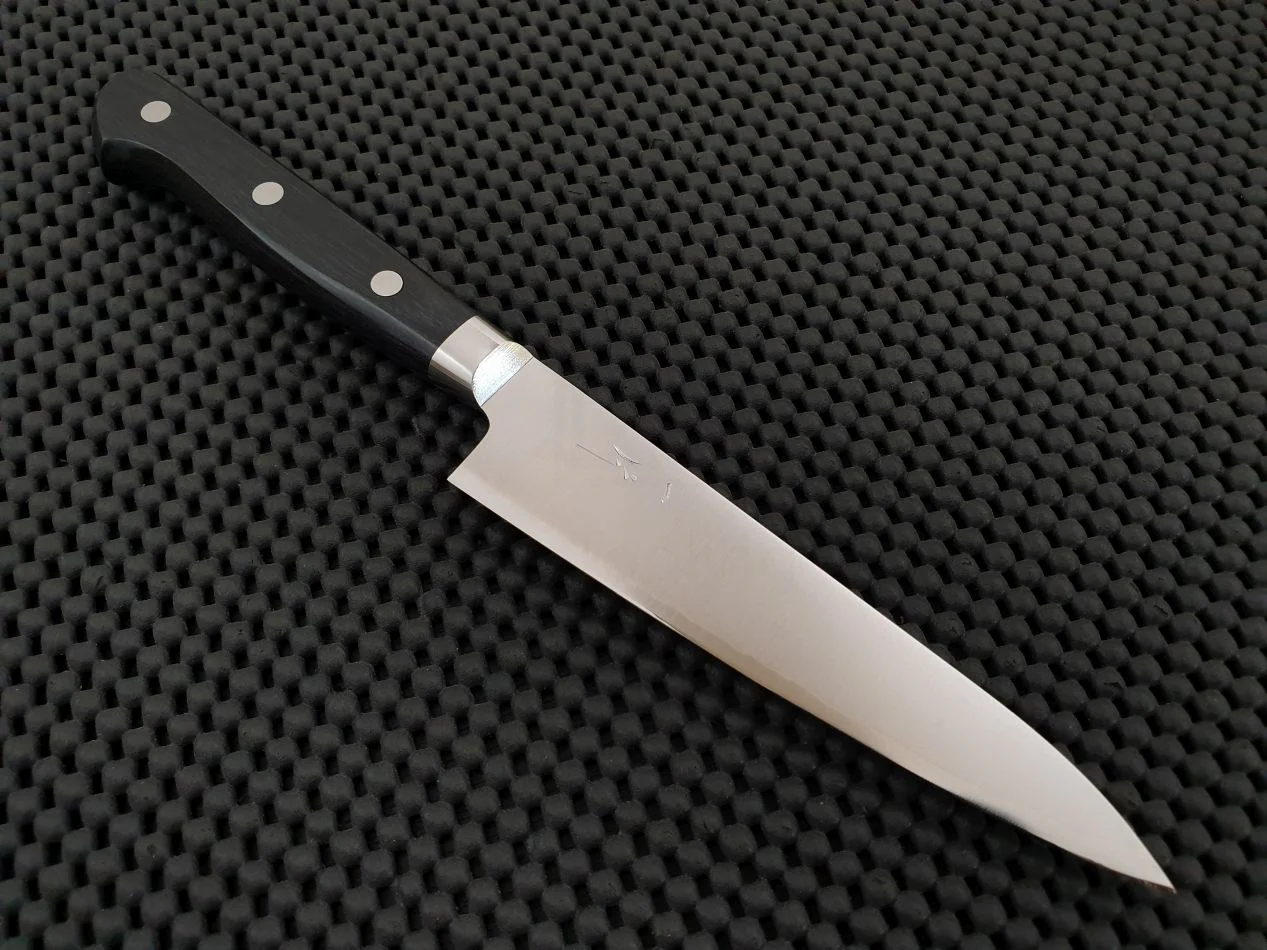
One of the most comfortable high-end handles we've seen on a knife of this level. A slightly heavier, premium ebony wood, matched to a well-crafted, stainless steel blade.

  • Sakai Takayuki Japanese Knife
  • 240mm Gyuto Knife
  • VG-10 Stainless Steel
  • Mono Ebony Wood Handle
  • Nashiji Finish
  • Crafted in Japan
  • Edge Length: 236mm Overall Length: 385mm | Blade Height: 50mm | Weight: 187g
  • Blade Thickness: (A) 2.2 (B) 1.0 (C) 0.7


* As our Japanese chef knives are hand-made, small variations in size and appearance may occur, and measurements and images are a guide only

 
Japanese Kitchen Knives, Whetstones & Woodworking Tools Australia


Japanese Kitchen Knife | Gyuto (Chef Knife)

The Gyuto, or Japanese chef knife, is widely considered to be the most versatile kitchen knife for both professional chefs & home cooks alike.
With a variety of sizes and shapes available, generally the Gyuto is similar to western style chef knives in shape, however thinner, lighter, made of harder steel and retains a sharper edge. They consist of a flat mid-heel section for chopping, a curve towards the tip for rock cutting and a pointed tip for precision work.
If you are going to purchase just 1 good knife, the Gyuto (or perhaps the similar Santoku) would absolutely be the knife to choose.

One of the most comfortable high-end handles we've seen on a knife of this level. A slightly heavier, premium ebony wood, matched to a well-crafted, stainless steel blade.

  • Sakai Takayuki Japanese Knife
  • 240mm Gyuto Knife
  • VG-10 Stainless Steel
  • Mono Ebony Wood Handle
  • Nashiji Finish
  • Crafted in Japan
  • Edge Length: 236mm Overall Length: 385mm | Blade Height: 50mm | Weight: 187g
  • Blade Thickness: (A) 2.2 (B) 1.0 (C) 0.7


* As our Japanese chef knives are hand-made, small variations in size and appearance may occur, and measurements and images are a guide only
 
Japanese Kitchen Knives, Whetstones & Woodworking Tools Australia


Japanese Kitchen Knife | Gyuto (Chef Knife)

The Gyuto, or Japanese chef knife, is widely considered to be the most versatile kitchen knife for both professional chefs & home cooks alike.
With a variety of sizes and shapes available, generally the Gyuto is similar to western style chef knives in shape, however thinner, lighter, made of harder steel and retains a sharper edge. They consist of a flat mid-heel section for chopping, a curve towards the tip for rock cutting and a pointed tip for precision work.
If you are going to purchase just 1 good knife, the Gyuto (or perhaps the similar Santoku) would absolutely be the knife to choose.
$85.20

Original: $284.00

-70%
Sakai Takayuki Nashiji | 240 Gyuto Knife

$284.00

$85.20

Description

One of the most comfortable high-end handles we've seen on a knife of this level. A slightly heavier, premium ebony wood, matched to a well-crafted, stainless steel blade.

  • Sakai Takayuki Japanese Knife
  • 240mm Gyuto Knife
  • VG-10 Stainless Steel
  • Mono Ebony Wood Handle
  • Nashiji Finish
  • Crafted in Japan
  • Edge Length: 236mm Overall Length: 385mm | Blade Height: 50mm | Weight: 187g
  • Blade Thickness: (A) 2.2 (B) 1.0 (C) 0.7


* As our Japanese chef knives are hand-made, small variations in size and appearance may occur, and measurements and images are a guide only
 
Japanese Kitchen Knives, Whetstones & Woodworking Tools Australia


Japanese Kitchen Knife | Gyuto (Chef Knife)

The Gyuto, or Japanese chef knife, is widely considered to be the most versatile kitchen knife for both professional chefs & home cooks alike.
With a variety of sizes and shapes available, generally the Gyuto is similar to western style chef knives in shape, however thinner, lighter, made of harder steel and retains a sharper edge. They consist of a flat mid-heel section for chopping, a curve towards the tip for rock cutting and a pointed tip for precision work.
If you are going to purchase just 1 good knife, the Gyuto (or perhaps the similar Santoku) would absolutely be the knife to choose.